The Fool’s Number 11
Reading time: 2 minutes
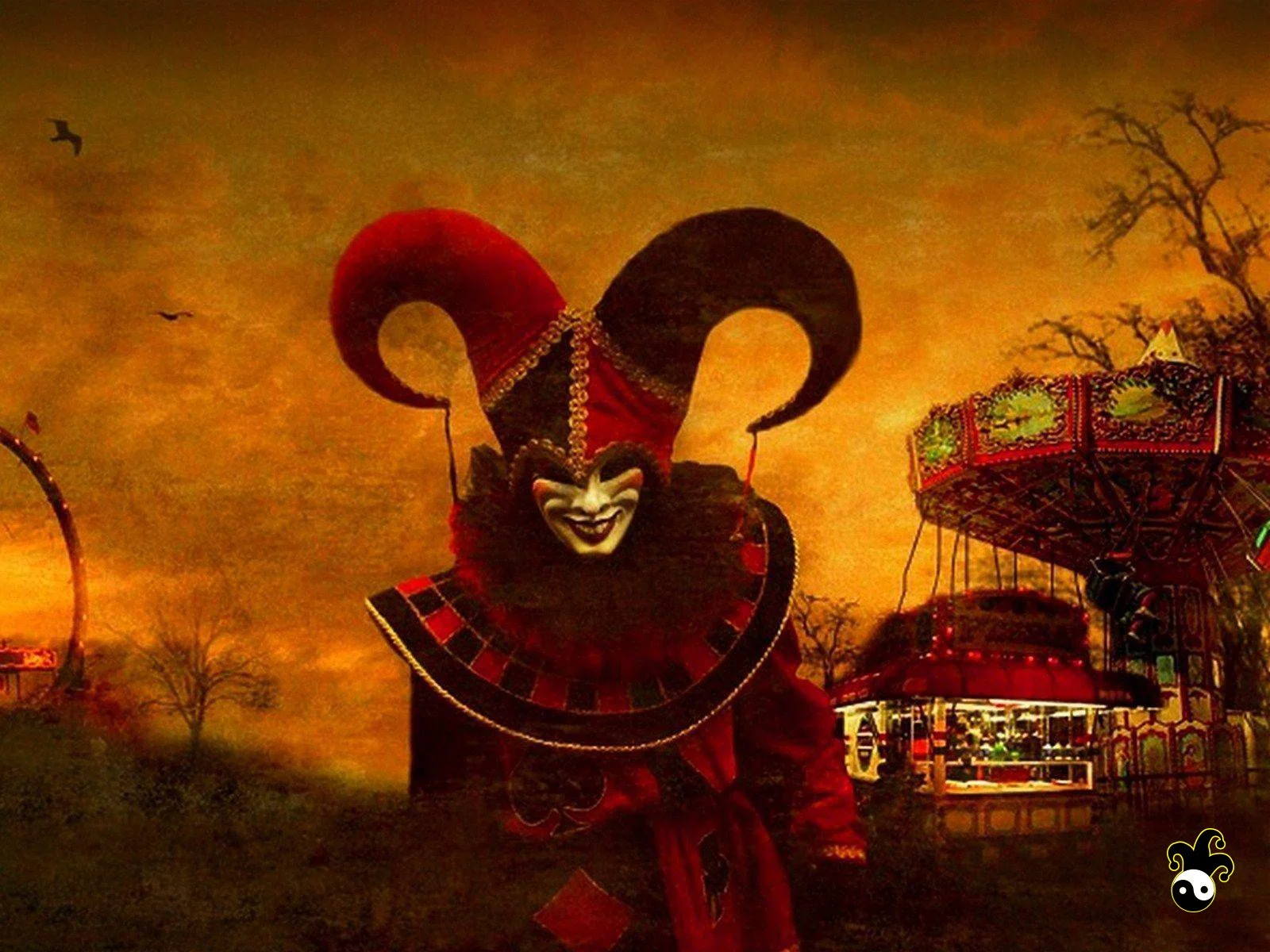
Illustration: wallpaperaccess.com
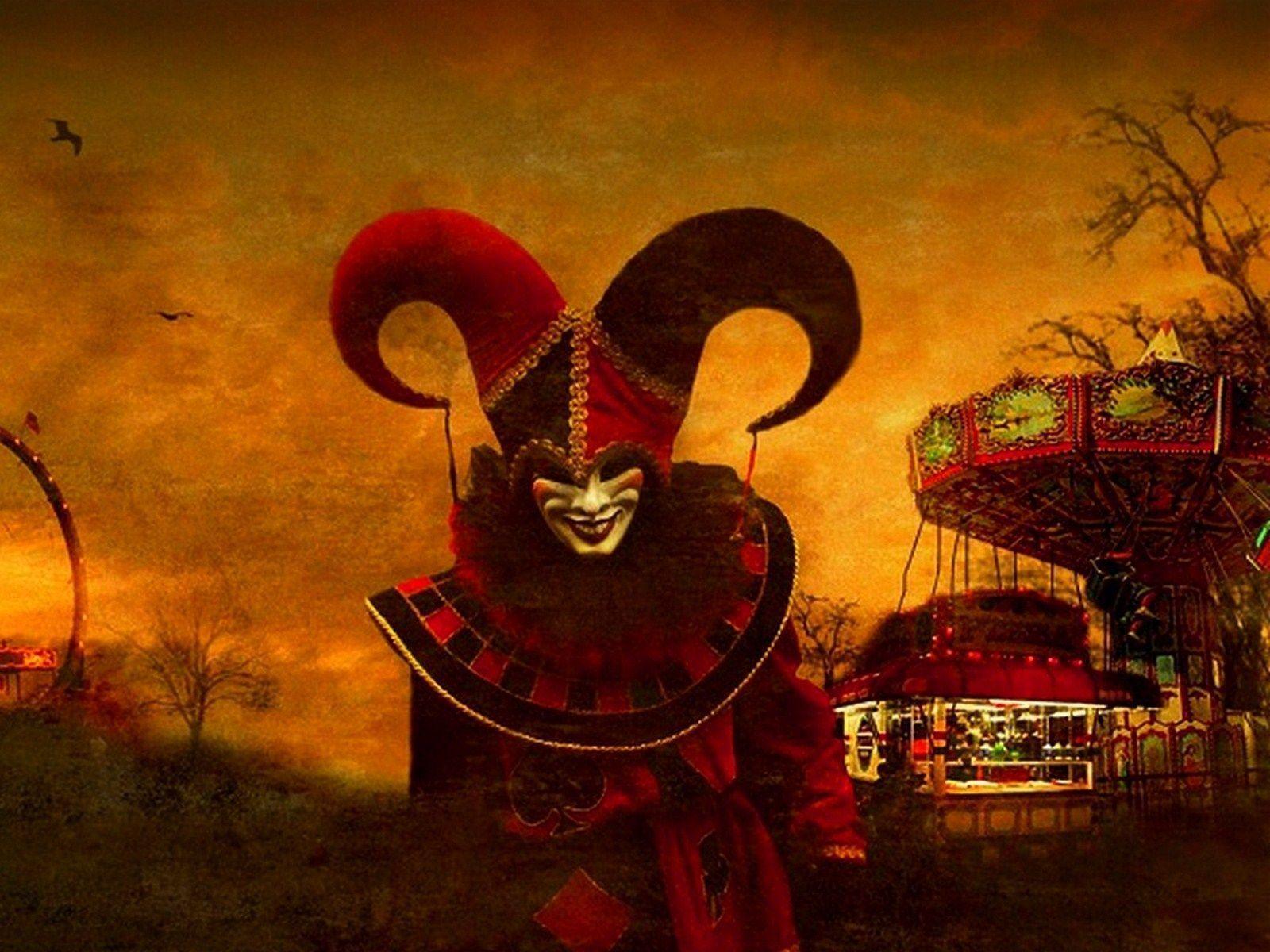
The number 11 has a deep connection with Carnival in the European lowlands. Prince Carnival is chosen annually on November 11th at 11:11:11, and the most characteristic figure for Carnival in our region is none other than the jester.
Since a long time i cherish a warm affinity with jesters, fools and jokers. This is partly because of their ability to make people laugh and partly because they can see the world as it really is; two qualities that I value highly.
Jesters are usually misfits because most of us do not see the world as it is, but can only see it through our own frame of reference. This creates imbalance and stress because we come to believe in the manufacturability of the world as we think it ought to be, but which is often at odds with the reality of everyday life. However, the fool’s number (or crazy number) 11 refers to the world as it really is in its own unique way.[1]
In Christianity, 10 is the perfect number (remember the Ten Commandments) and 12 is the sacred number (remember the Twelve Apostles). 11 is called unlucky because it ‘transgresses’ 10 as the perfect number (how dare it),[2] but 11 is also called lucky because it represents twice the number 1 which symbolizes unity. Since in our logical worldview something cannot be both happiness and misfortune, lucky and unlucky, at the same time, 11 is called the crazy number.
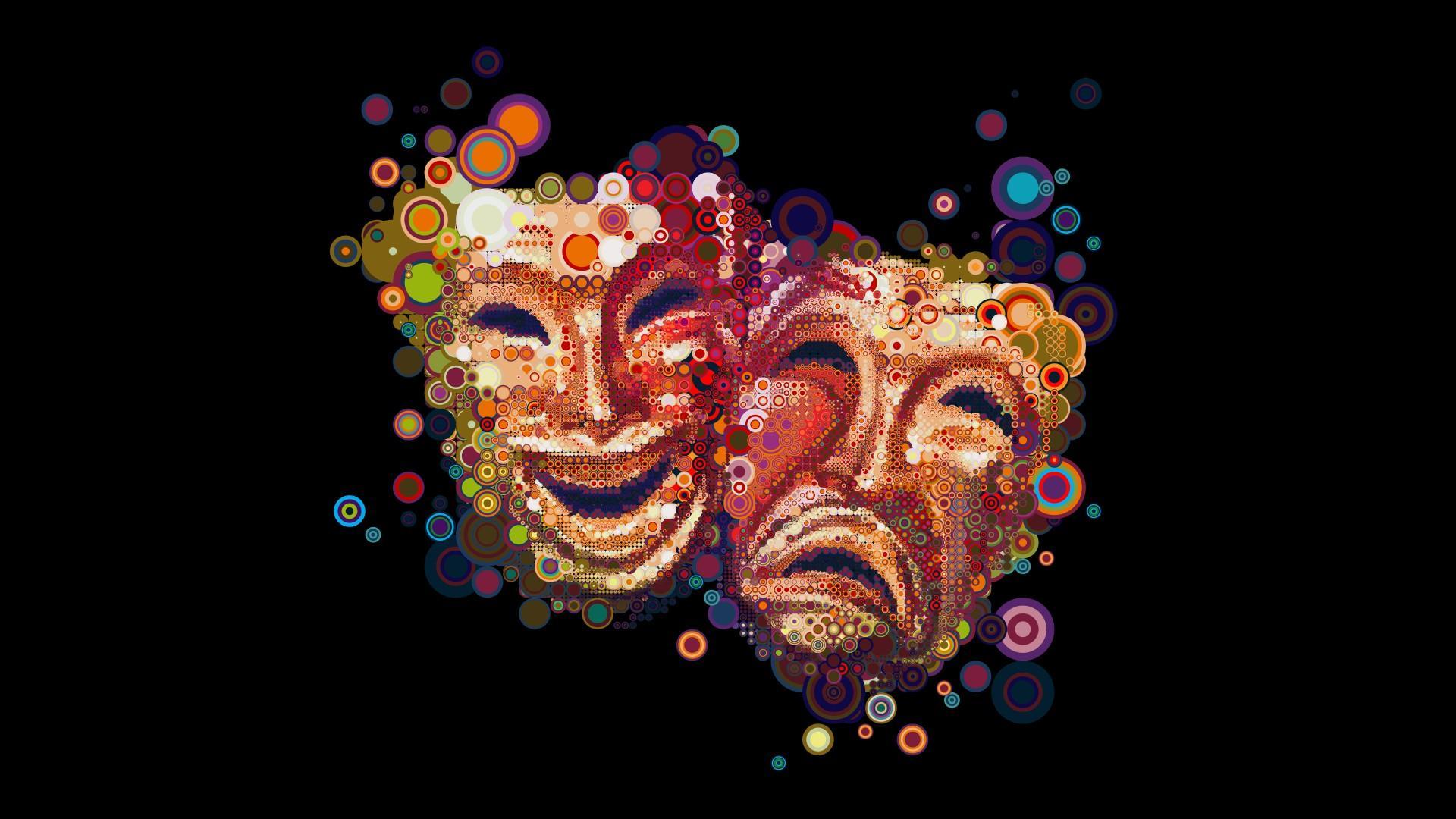
The underlying, and at first sight invisible, wisdom, however, is that any contradistinction can only exist through the presence of both components. From the point of view of common sense, happiness is not the same as sadness. However, the word happy is devoid of meaning without having had an experience related to the word sad. That lays bare one insurmountable fact of life; namely, that for most of us, happiness and sadness follow each other as ceaselessly as day and night.
It’s obvious that if we wish to be aware of our happiness, we can only accomplish that by simultaneously becoming aware of our sadness (or anger, anxiety, etc.). Therefore, when we say that we want to be happy, at the same time we say that we want to be sad. That makes sense, right?
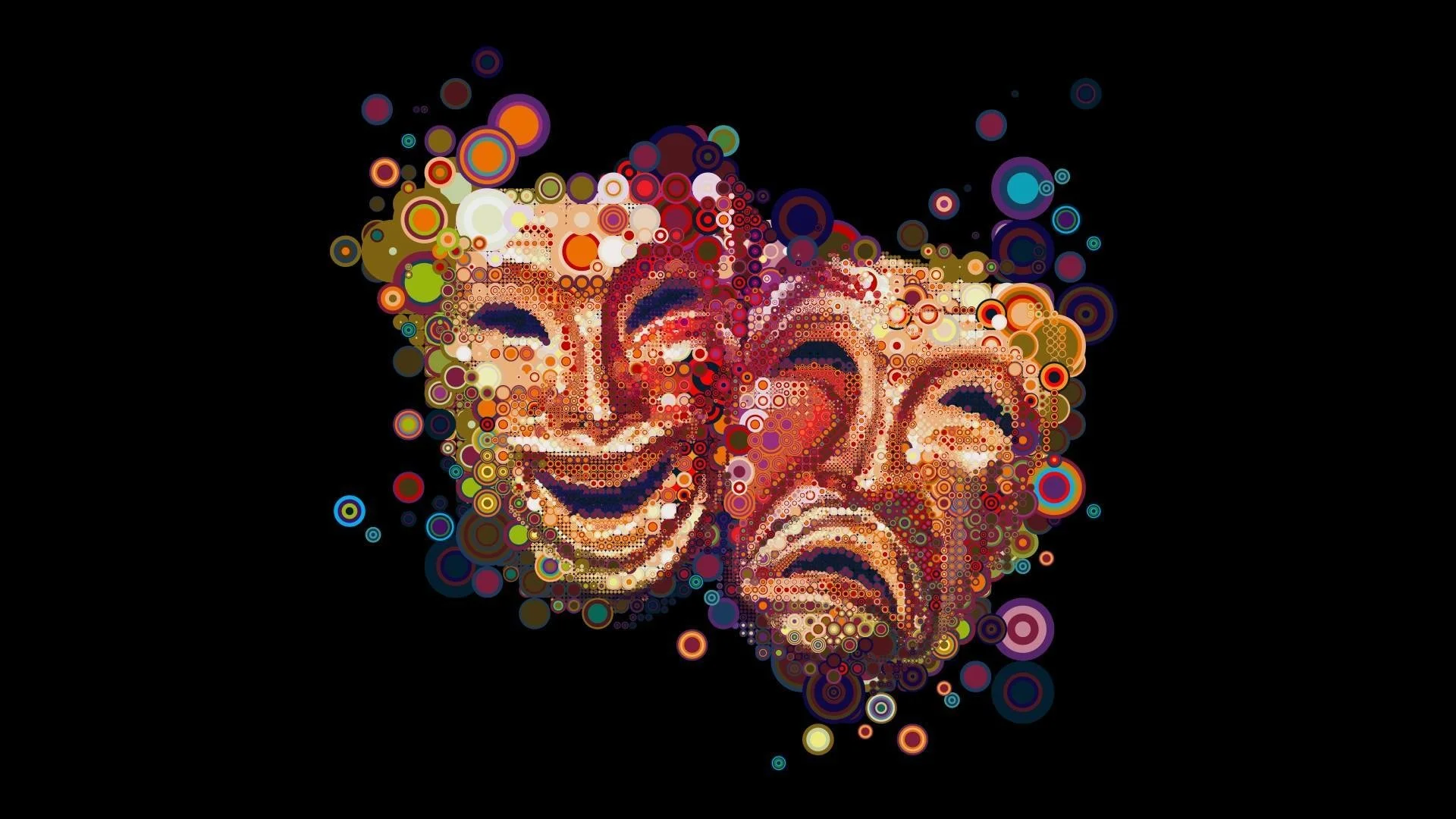
Illustration: wallpaperaccess.com
In this way we can approach any contradistinction. The word light is meaningless if one has never experienced darkness, or if darkness is the only thing one knows.[3] However, most of us know from experience that the light of day always turns into the darkness of night. Together they continuously change into one another, and from that point of view light and darkness form a whole, like the black and white fishes in the yinyang symbol.
On their own, words like light and dark are meaningless. They only gain meaning through the presence of their opposite. And here we immediately see that the two components of any contradistinction arise simultaneously at the moment when we begin to name and define things and events.
Finally, in the spirit of the jester, the number 11 can also be seen as a connecting factor between the perfect number 10 and the sacred number 12. The double ‘1’ indicates that both components of a contradistinction weigh equally and are both necessary for balance. Therefore it can be said that both perfection and holiness consist of white and black, positive and negative, good and evil.
Once that is understood, there is no more anxiety.
Notes
[1] It is a delightful coincidence that the words “crazy number” and “fool’s number” consist of 11 letters.
[2] Similarly, 13 is an unlucky number because it ‘transgresses’ 12 as the sacred number.
[3] The words light and dark tend to be meaningless to someone who is born blind.